Hello, adventurers! 🌊 At Oceans Optics, your safety and enjoyment are our top priorities. We want to bring attention to an important issue many snorkelers face: the risk of eye infections caused by wearing contact lenses while snorkeling.
Wearing contact lenses in water can expose your eyes to various hazards. Waterborne bacteria, viruses, and microorganisms can get trapped under your lenses, leading to serious eye infections. According to the Centers for Disease Control and Prevention (CDC), approximately 680,000 Americans experience eye infections each year due to improper contact lens use, including exposure to water. These infections can range from mild irritations to severe conditions that may cause long-term damage or even blindness.
Specific Dangers in Saltwater and Freshwater
Saltwater and freshwater both pose unique risks for contact lens wearers. Saltwater can cause your lenses to dry out and become uncomfortable, while also introducing saltwater bacteria into your eyes. Freshwater, on the other hand, can harbor harmful microorganisms such as Acanthamoeba, which can lead to a rare but severe infection known as Acanthamoeba keratitis. This infection is particularly difficult to treat and can result in permanent vision loss if not addressed promptly.
Real-Life Cases and Warnings
There have been numerous reported cases of serious eye infections caused by wearing contact lenses in water. One notable case involved a snorkeler who developed Acanthamoeba keratitis after wearing contact lenses while swimming in a freshwater lake. The infection was so severe that it required a corneal transplant. Stories like this highlight the importance of taking proper precautions to protect your eyes while enjoying water activities.
Symptoms of Eye Infections
Symptoms of eye infections can vary but often include redness, pain, excessive tearing, blurred vision, sensitivity to light, and a feeling of something being in the eye. If you experience any of these symptoms after wearing contact lenses in water, it is crucial to seek medical attention immediately. Early diagnosis and treatment are essential to prevent long-term damage to your eyes.
The Safe and Clear Solution: Prescription Masks
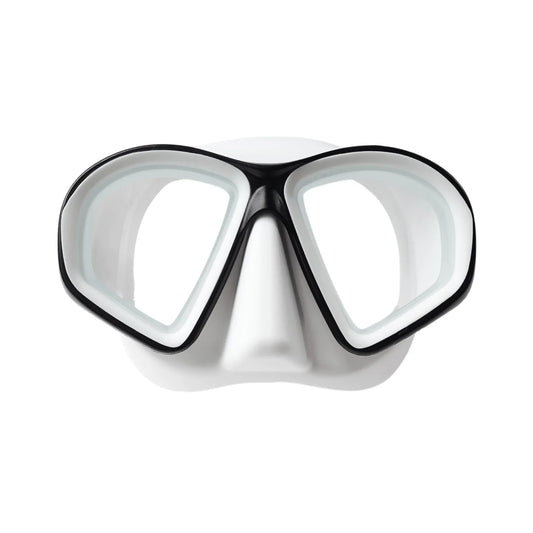
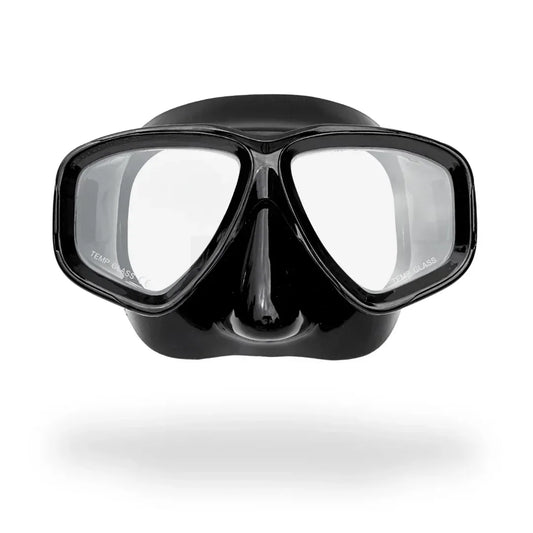
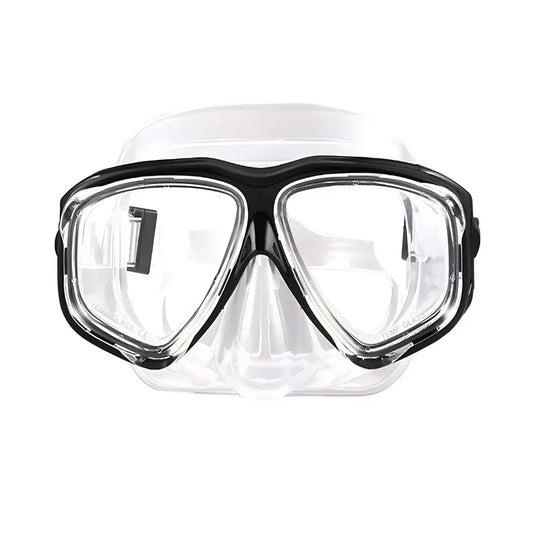
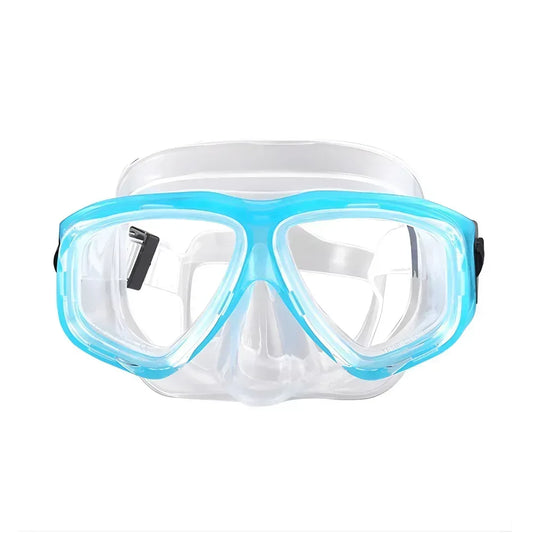
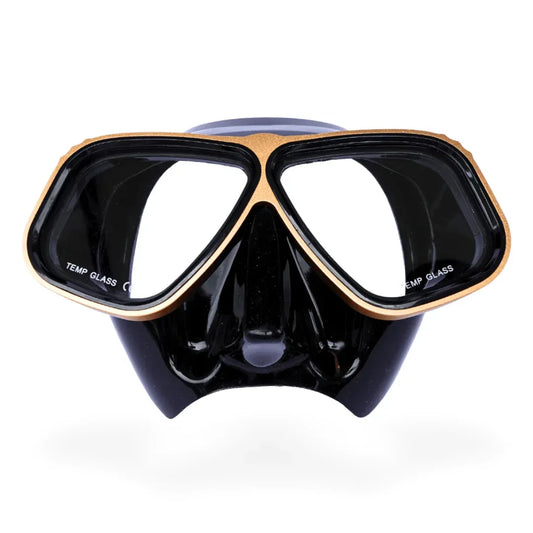
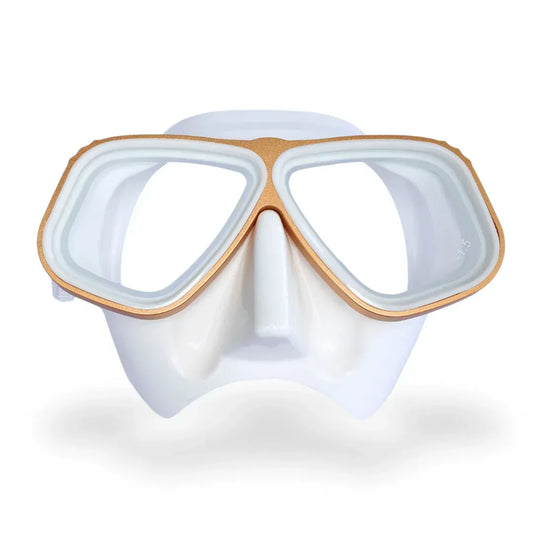
At Oceans Optics, we believe in providing solutions that enhance your snorkeling experience while keeping you safe. Our prescription masks are designed to offer you the same clarity as contact lenses without the associated risks. Here’s why they’re the perfect alternative:
- Crystal-Clear Vision: Our prescription masks are tailored to your specific vision needs, ensuring you see the underwater world with perfect clarity.
- No Risk of Infection: By eliminating the need for contact lenses, you avoid the risk of waterborne bacteria and infections.
- Comfort and Fit: Our masks are designed for comfort and a secure fit, ensuring they stay in place while you explore.
- Durability: Made with high-quality materials, our masks are built to last, providing you with reliable vision for many snorkeling adventures to come.